The Quarry
I've recently discovered where most of the travertine I daily encounter comes from. I've never asked myself that question. For some reason, via Tiburtina has always been out of my radar, as well as the stretch of river (Aniene) beyond my neighborhood. And yet, the city still hides many secrets.
Rome doesn't have a strong industrial tradition, except for its psychotic devotion to the real estate market. Building buildings seems to have been the only soft spot for many institutions and wealthy individuals. And along the years, satellite activities providing construction materials, such as travertine, florished thanks to the expantion of the city.
Despite being in use since the days of ancient Rome, the extraction of the limestone deposited around the mineral springs nearby Tivoli, saw its peak after WWII when diamond wires finally became a commercially viable solution for cutting hard materials. The region surrounding the limestone deposits then saw a proliferation of new quarries.
When the gold rush deflated in the first decade of the 21st century, most of these gigantic holes were abandoned and the water drainage interrupted, resulting in the Acque Albulae flooding back the area, disfiguring once again the region and treathening the integrity of the groundwater.
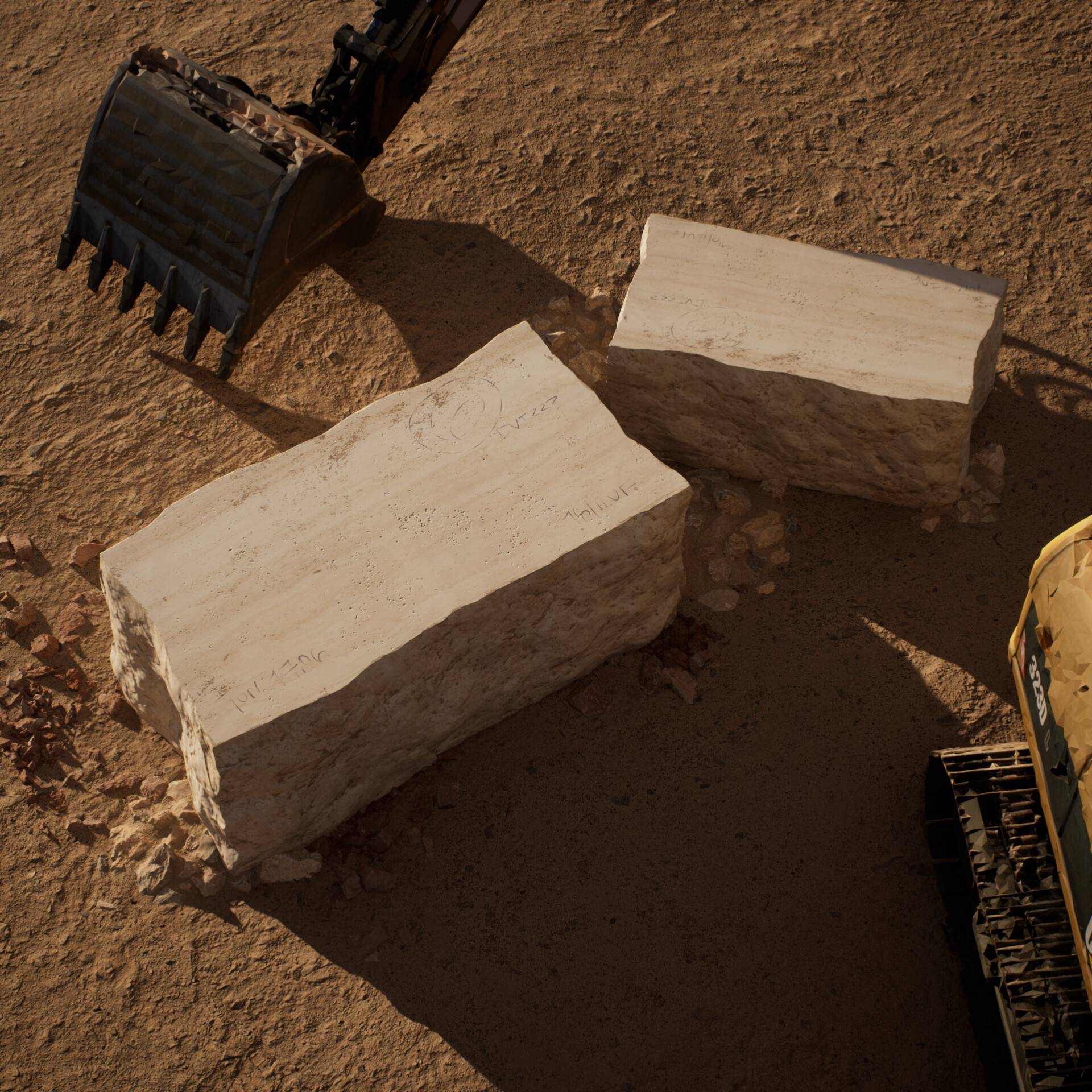
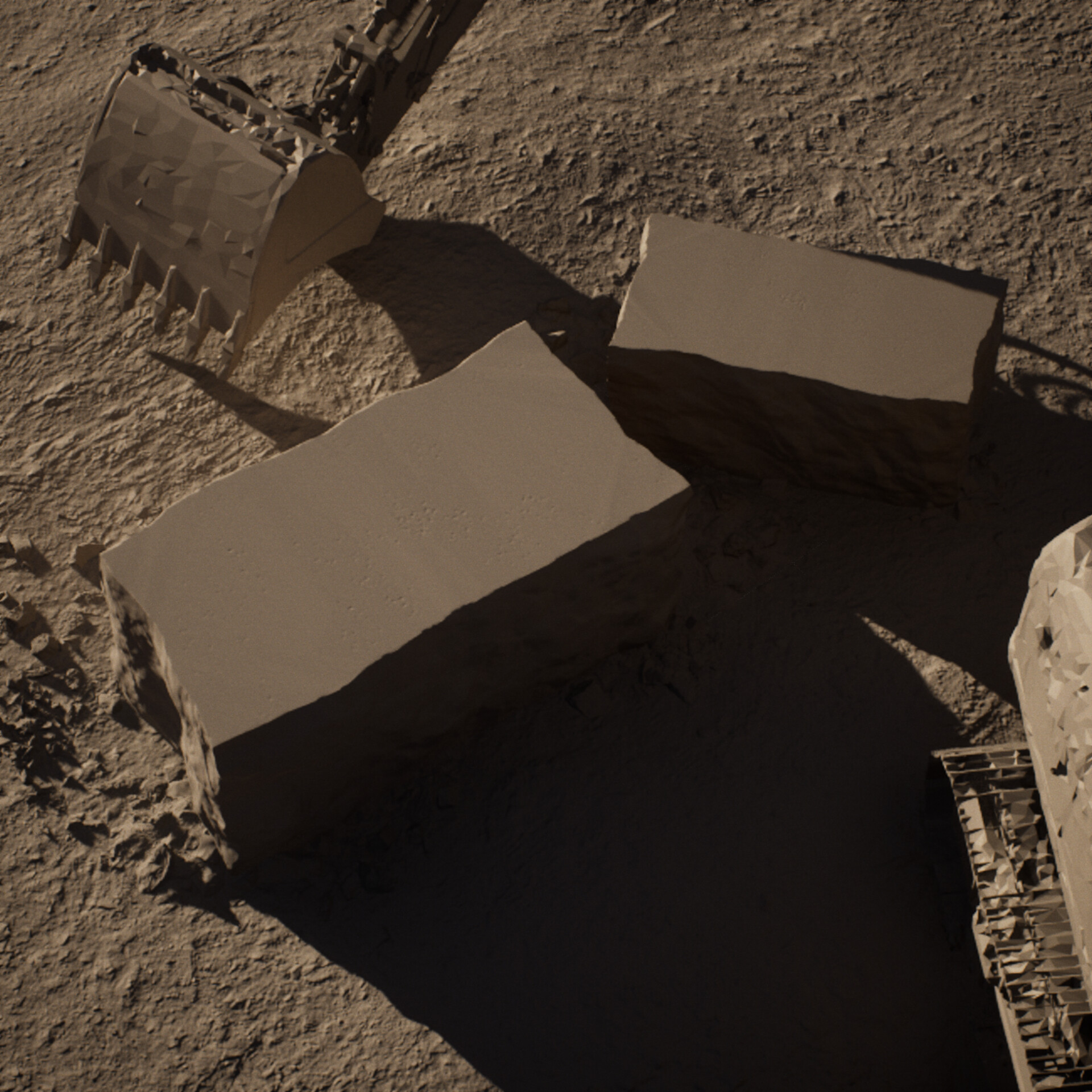
I really wanted to tell this story in an impactul way, as it really shocked me getting to know all of this, but I guess I've to learn to budget my time. The idea was to remodel one of the flooded quarry referencing satellite images. Unfortunately, I only managed to sculpt and texture some travertine blocks :(
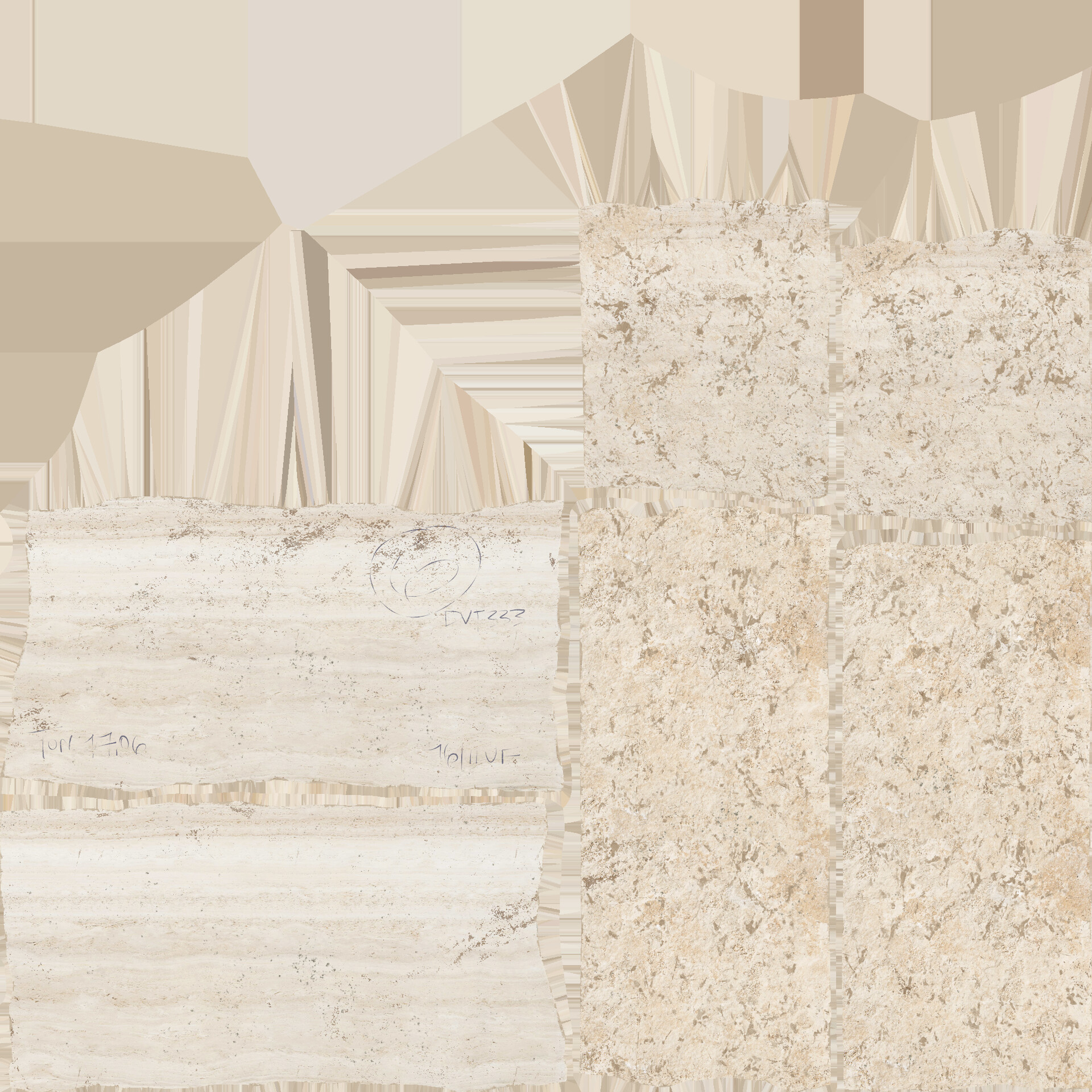
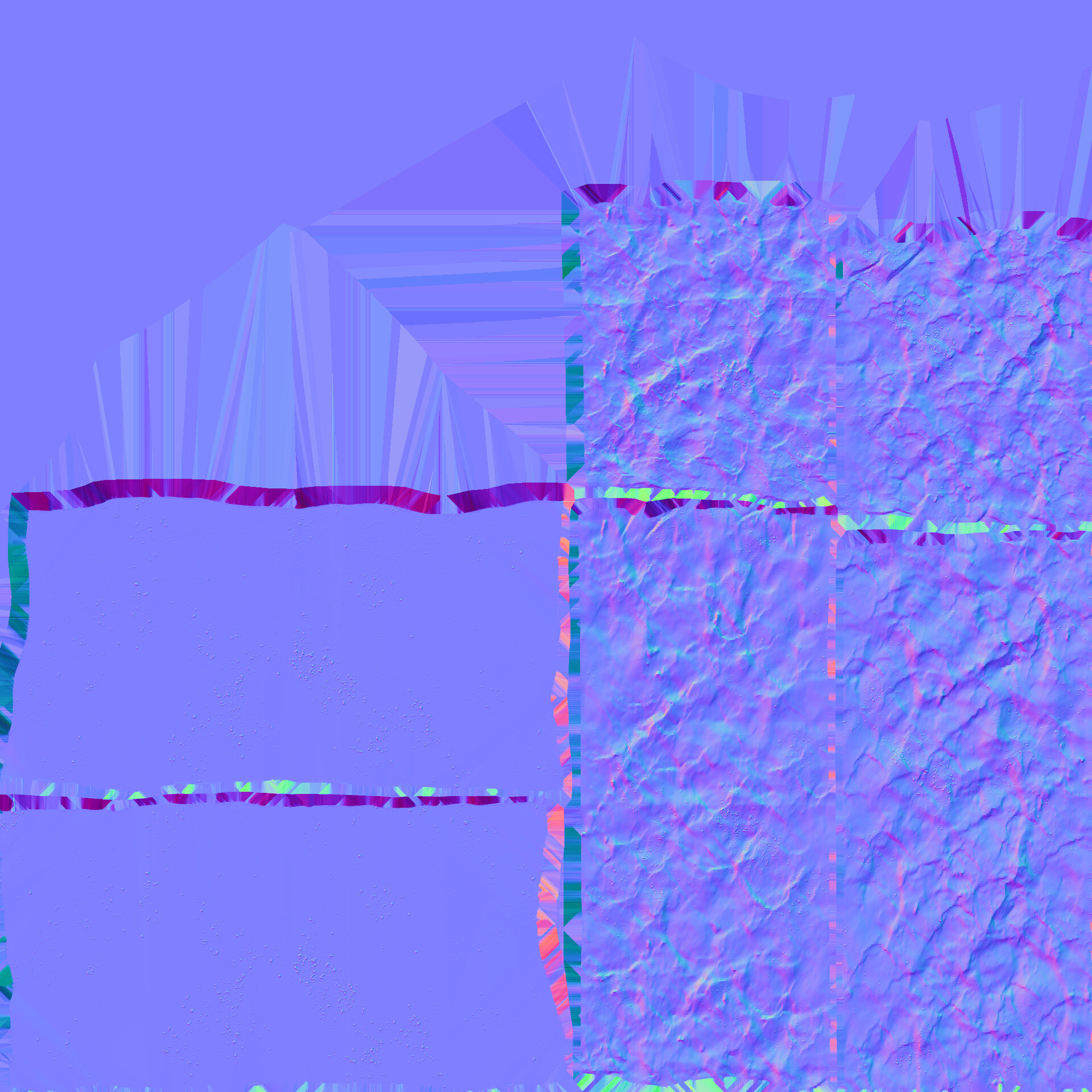
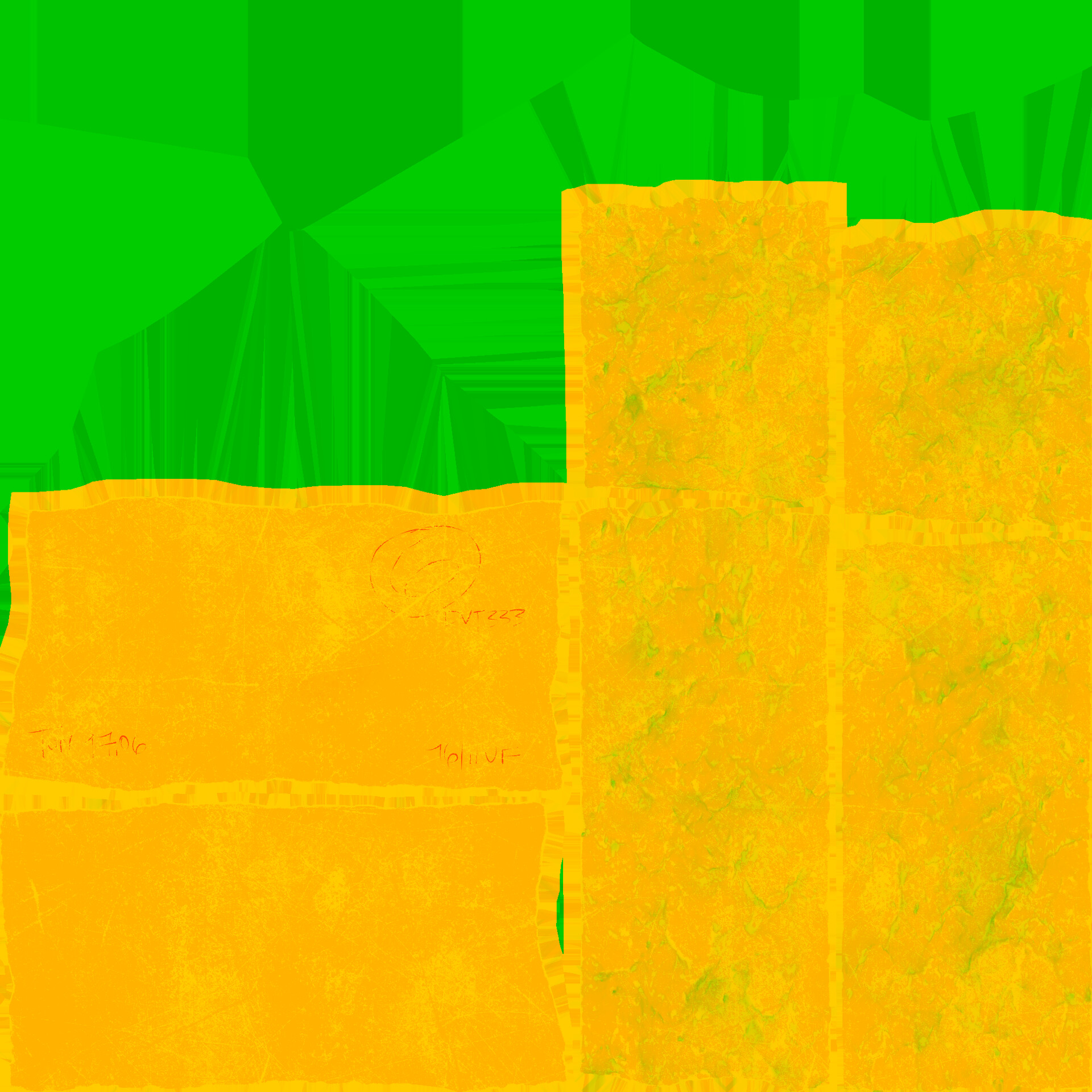
Travertine block modelled/sculpted in Blender, textured/baked in Substance Painter, set/rendered in Unreal Engine.
Terrain texture and auxilliary rocky assets from Quixel.
Caterpillar model: https://skfb.ly/6UXwK
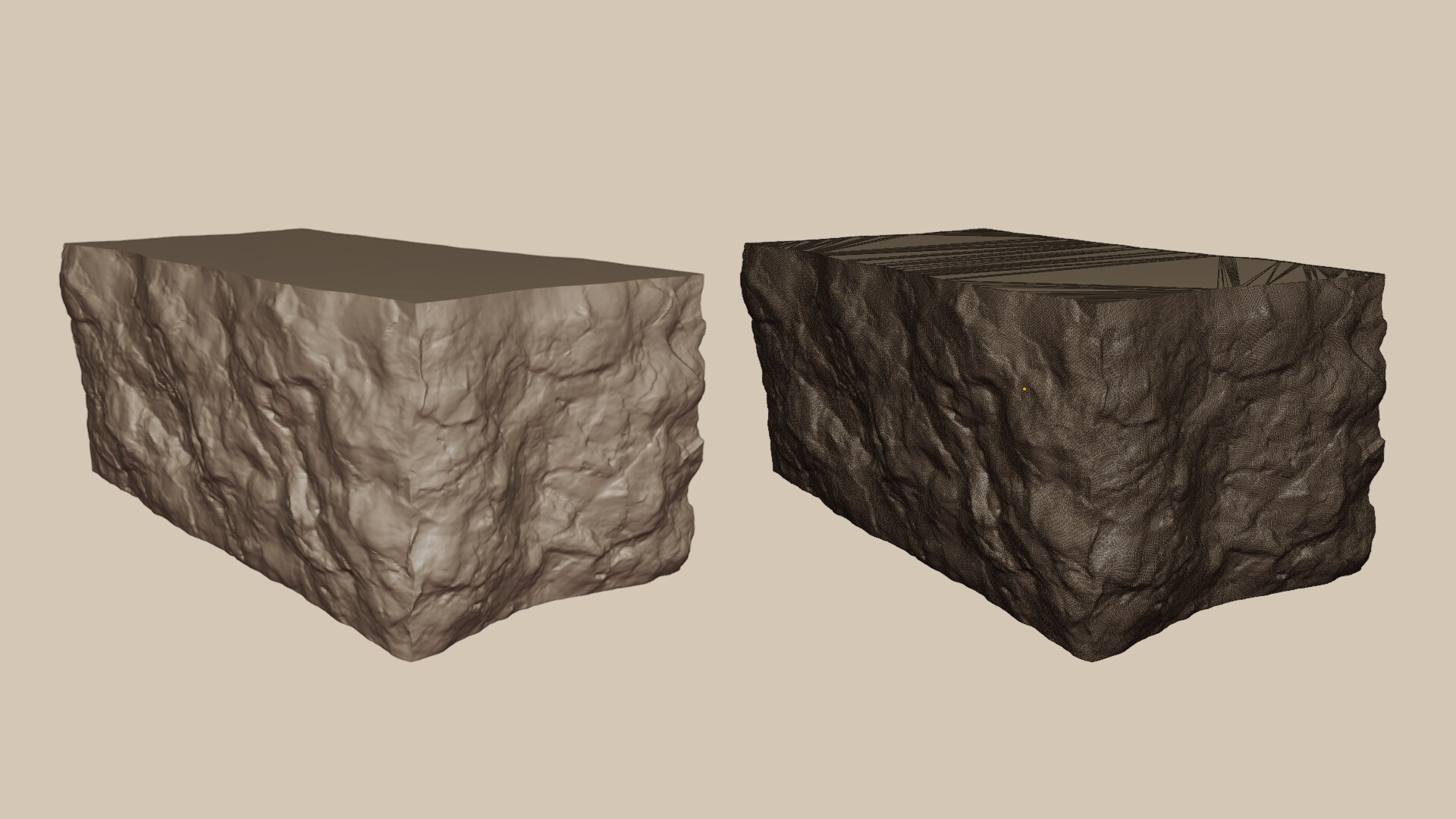
High Poly sculpt
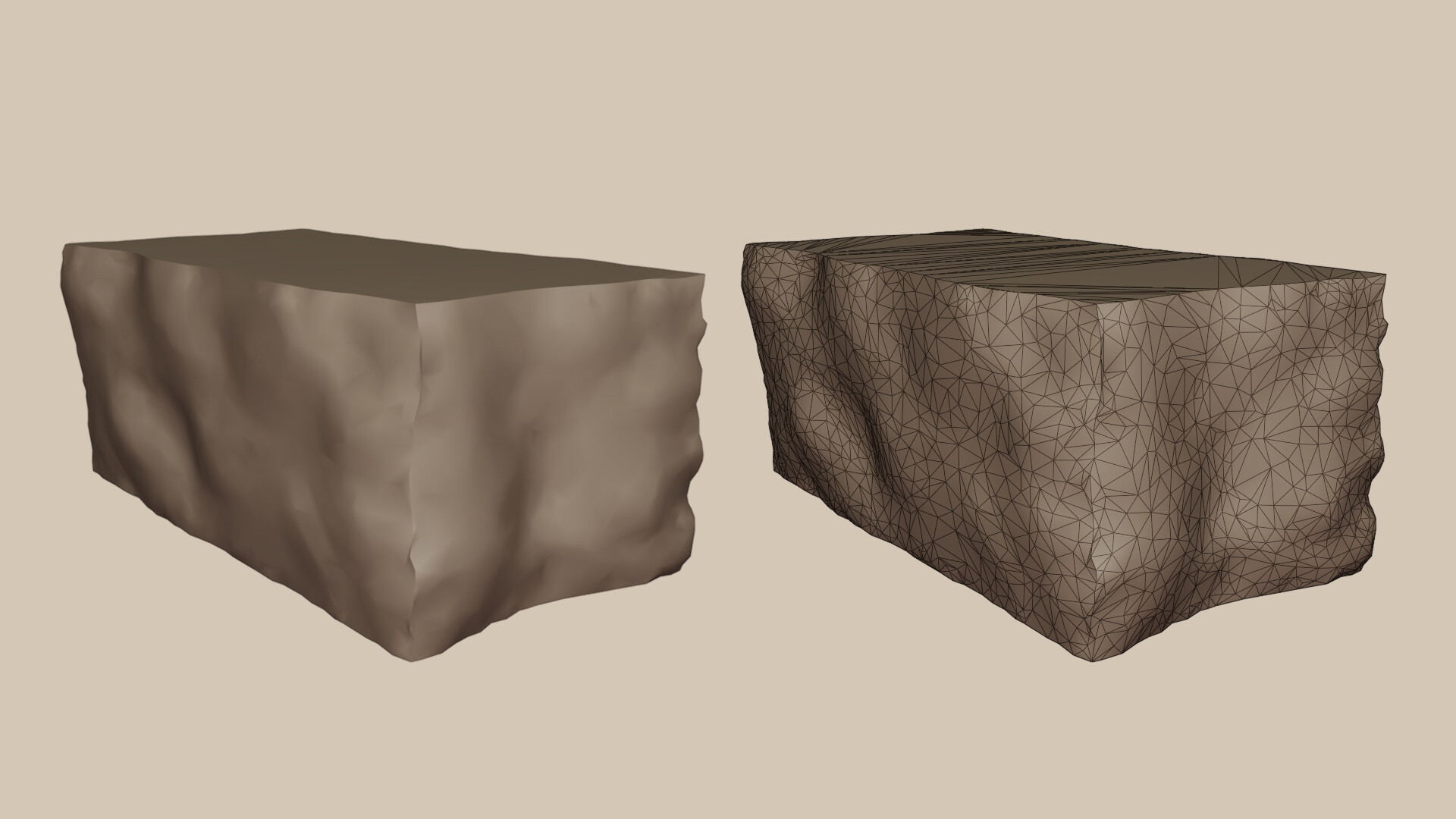
Low Poly model